
 OFFERS
You love movies. So do your viewers. That’s why channels thrive on clips from blockbusters like Avengers or classics like The Godfather. But copyright strikes can kill a channel fast. This guide shows you how to use movie clips on YouTube without infringement. You’ll learn fair use basics, YouTube tools, and safe practices. Stick to these steps, and you can create without fear.
Copyright protects films from the moment they’re made. It stops unauthorized copies. On YouTube, violations lead to video takedowns. Your channel might lose money or face strikes. Three strikes in 90 days, and YouTube ends your account. Fair use offers a way out, but only if you apply it right. Many creators ignore this and pay the price.
Understanding the Core Legal Defense: Fair Use Doctrine
Fair use is your main shield against copyright claims for movie clips on YouTube. It’s a U.S. law exception that lets you use protected work in certain cases. Courts decide on a case-by-case basis. No magic formula exists. But you can build a strong case with the right approach.
This doctrine applies to reviews, education, and parody. It doesn’t cover straight uploads for fun. Know the rules to avoid trouble. YouTube reviews fair use claims, but final calls go to judges.
The Four Factors of Fair Use Analysis
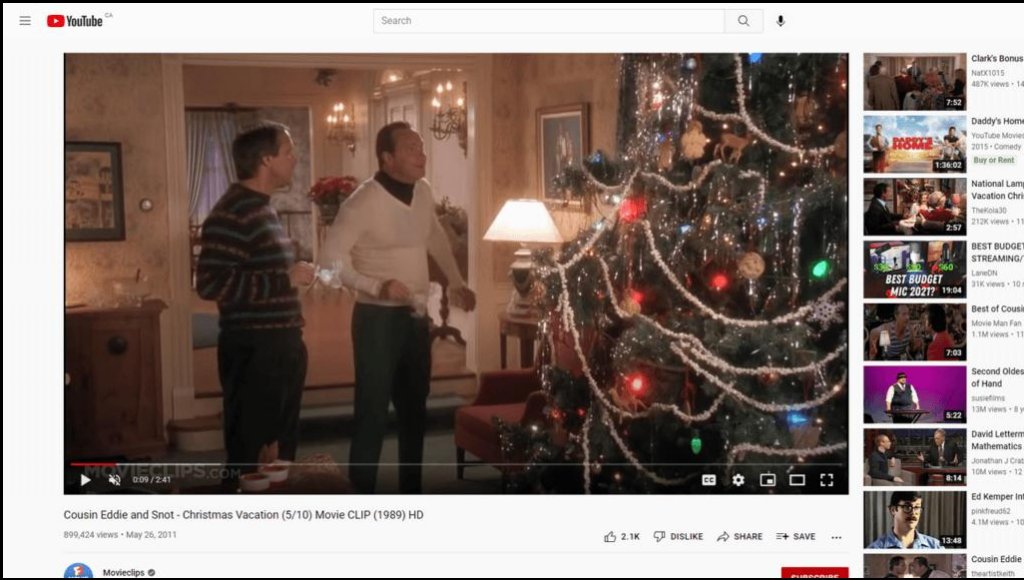
U.S. Copyright Law lists four factors to judge fair use. Weigh them all for film clips. First, look at the purpose and character of your use. Non-commercial, educational, or critical uses score high. A review video with your analysis? That’s favorable. Just showing a chase scene? Not so much.
Second, consider the nature of the copyrighted work. Movies are creative and published, so this factor leans against fair use. But facts in the clip, like historical events, help your side. For a clip from Schindler’s List, the dramatic nature makes it tougher.
Third, check the amount and substantiality of the portion used. Short clips work better than long ones. Use only what’s needed for your point. A 10-second fight scene in a 10-minute review? Okay. The whole scene? Risky. Courts hate when you take the “heart” of the film, like the big reveal.
Fourth, assess the effect on the potential market. Does your video hurt sales of the original? If it drives views to the movie, that’s good. But if it replaces watching the full film, fair use fails. Streamers often lose here with full scenes.
Apply these to every clip. Document your reasoning. It strengthens disputes on YouTube.
Transformation is Key: Moving Beyond Simple Reproduction
Fair use shines when you transform the clip. Add your voice, edits, or context. This creates new meaning. A plain upload copies the work. Bad idea. But overlay text on a scene to critique directing? That’s transformative.
Criticism and parody lead the pack. News clips or teaching moments count too. Entertainment alone won’t cut it. YouTube flags simple re-uploads fast.
- Does your video comment on the film’s style or message?
- Do you pause the clip for deep analysis?
- Is the clip just a small part of a larger story you tell?
Run this checklist before upload. It keeps your content legal and fresh.
Parody vs. Satire: Legal Distinctions in Film Critique
Parody mocks the original work itself. It gets strong fair use protection. Think a skit that pokes fun at a movie’s plot holes. Satire uses the clip to jab at broader topics, like politics. It’s weaker legally. Courts protect parody more because it targets the source.
For example, a video lampooning Jaws shark effects qualifies as parody. Using a Jaws clip to satire ocean pollution? That’s satire. Stick to parody for safer ground. Both need the four factors, but parody wins disputes easier.
Reviewers often blend these. Keep your focus clear. This avoids confusion in claims.
YouTube Built-in Mechanisms: Content ID and Licensing
YouTube automates copyright checks. Know these systems to use movie clips without issues. Content ID scans uploads. It matches against a database of protected files. Rights holders set actions. Fair use doesn’t stop initial flags. You fight them later.
Licensing skips the hassle. But it’s tough for small creators. Big channels sometimes pull it off.
Navigating the Content ID System: Claims vs. Strikes
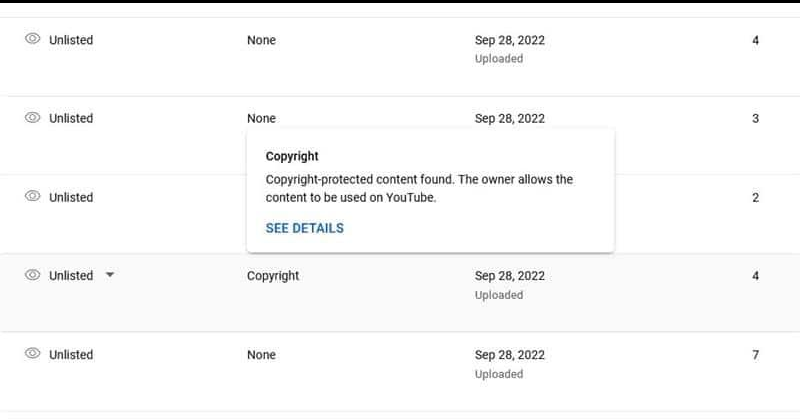
Content ID is YouTube’s scanner. It spots movie audio or visuals fast. A claim follows if it matches. The owner picks options: track views, block the video, or take ad money. Claims don’t hurt your channel directly. You can dispute under fair use.
Strikes differ. Owners file them manually for big violations. One strike limits uploads for a week. Two add restrictions. Three in 90 days delete your channel. Avoid strikes by keeping clips short and transformative.
Most movie clip flags start as claims. Dispute with evidence of the four factors. YouTube reviews in days. Success rates vary, but solid cases win.
Monetization Implications Under Content ID
Claims hit your wallet. Owners often take all revenue from the video. Your hard work earns nothing. Or they block it in countries, cutting global reach. Worst, they mute audio or track only.
For a review with a Star Wars clip, Disney might claim ads. You lose money but keep the video up. Monetize smarter by placing clips mid-video. This limits claim scope.
Dispute if fair use applies. But expect pushback. Some owners reject all disputes.
Securing Direct Licenses and Permissions (The Safest Route)
Licenses mean no worries. Contact studios like Warner Bros. or Paramount. Explain your project. Ask for clip rights. Fees range from free for promo to thousands for commercial use. Small creators rarely get them.
Agencies like Filmsupply offer stock clips. But for major movies, go direct. Email licensing departments. Provide video details and clip length.
Channels like Screen Rant license for reviews. They pay per use. It’s rare but builds trust. Start small. Build to big permissions over time.
Best Practices for Minimizing Copyright Risk When Using Clips
Play safe with these tips. They stack the odds for fair use wins. Focus on value you add. Limit clips. Always analyze risks.
Short videos face more flags. Plan around them.
The Power of Commentary and Criticism: Adding Substantive Value
Make the clip serve your point. Your voiceover should dominate. Pause for reactions. Explain why the scene matters. This shows transformation.
In a Inception review, use a dream sequence clip. Then talk dream logic for minutes. The clip becomes a tool, not the star.
Keep original content at 80% or more. Viewers come for you, not the movie.
Aim for under 10 seconds per clip as a rule. It’s not law, but it helps. Courts like brevity. Test with private uploads first.
Altering Visuals and Audio: Transforming the Source Material
Edit the clip hard. Crop to focus on key frames. Zoom in on actor faces. Add text overlays with your thoughts. Speed up action or slow for emphasis. Change colors to fit your style.
These tweaks prove you created something new. A plain clip screams infringement. Altered one? Fair use territory.
Tools like Adobe Premiere make this easy. Spend time editing. It pays off in disputes.
Citing Sources and Attribution: Does It Help Fair Use?
Give credit. Say “Clip from Titanic by Paramount.” It’s polite. Builds trust with viewers.
But attribution isn’t fair use. It doesn’t grant rights. You still need the four factors. Skip credit, and you look shady. Always name sources.
Link to official trailers too. This shows good faith.
Alternatives to High-Risk Movie Clips
Skip clips when possible. Use these options instead. They keep you legal and creative.
Public domain saves headaches. Trailers add punch without full risk.
Utilizing Public Domain Films and Creative Commons Footage
Public domain means no copyright. Films before 1928 are free in the U.S. Think Nosferatu or The Kid. Check lists for more.
Creative Commons footage works too. Search CC licenses on YouTube. Attribute creators. These build your library safe.
Creating Transformative Content Based on Synopses and Stills
Talk about plots without showing action. Use words to describe scenes. React to twists verbally.
Stills from posters are safer. Get them from IMDb or official sites. License if needed. Build videos around images and your takes.
This method fits reaction channels. Viewers love your energy. No footage, no flags.
Using Trailers and Promotional Materials
Trailers are promo tools. Studios share them. Short clips from official trailers often pass as fair use. They’re meant to tease.
Keep under 30 seconds. Add commentary on marketing. But watch for claims. Disney flags trailers too.
Download from YouTube’s official channels. This reduces risks.
Conclusion: Building a Sustainable, Compliant YouTube Channel
Master fair use to use movie clips on YouTube legally. Weigh the four factors. Transform every clip with your insight. Limit length and add value.
YouTube’s Content ID claims test your work. Dispute smartly. Seek licenses for big projects. Turn to public domain or stills for easy wins.
Respect copyrights. It lets you create bold content. Build a channel that lasts. Your audience wants your views, not just scenes. Go make videos that matter.


1 thought on “How to use movie clips on YouTube without copyright”
Comments are closed.